Protecting Our Wildlife
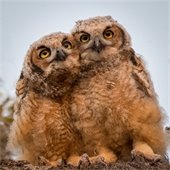
Safety Harbor has a real Who’s Who when it comes to birds of prey. This is evidenced by our many bird lovers and photography enthusiasts who have captured breathtaking pictures of these beautiful creatures, as can be witnessed in Philippe Park where several of these birds often gather. You may have heard about the beloved owls in Philippe Park that recently died from anticoagulant rat poisoning. The poisons that killed these owls are indiscriminate, and they could also poison your pets.
Our city is proud to host multiple bald eagles, great horned owls, barred owls, eastern screech owls, red-tailed hawks, red shouldered hawks, swallowtailed kites, and short-tailed hawks, the latter two being on the rare side. Wildlife is important to our community’s culture and ecosystem. A single great horned owl alone can consume approximately 1,400 rodents in a year. Given the importance of these birds, keeping them healthy is critical to maintaining a proper balance in our environment.
One big threat is anticoagulant rat poisons, which cause internal bleeding to kill its target. Unfortunately, secondary unintended targets, such as owls and pets, can also be killed. This ultimately leads to increases in rodent populations over time and places a burden on non-profit rescue organizations who deal with the consequences. If we can preserve and protect these raptors, we give them a chance to do their job of maintaining a balance in our environment.
You can make a big difference to protect our wildlife and pets by not using anticoagulant rat poisons, which are often used in rat bait boxes. These poison baits actually lure rats to your property.
There are better ways to control the rodent population, including:
• Keeping garbage properly sealed
• Maintaining frequent trash pickup
• Sealing all points of entry to homes and buildings
• Removing pet food from outdoor areas
• Avoiding spilled bird food and ground fruits
• Requiring your pest control companies to not use anticoagulant rat poisons (both first and second generation are unsafe). Safer options are Bromethalin (such as Fastrac, Assault) or Cholecalciferol (such as Terad3)
Safety Harbor is known for its wildlife, and we have a special responsibility to protect it. In memory of the Philippe Park owls and other wildlife and pets in our area that are at-risk, I urge every resident of the beautiful City of Safety Harbor to do your part.

 Share on Facebook
 Share on Twitter
 Share via Email
